

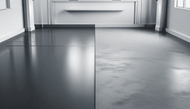
Garage Floor Epoxy vs Garage Paint Which One Works Best In 2026
Posted by ArmorGarage LLC on Dec 29th 2025
Garage Floor Paint vs Epoxy: Which One Should You Actually Use?
If your garage gets cars, hot tires, dropped tools, or anything heavier than foot traffic, use epoxy — not paint. Garage floor paint is a thin acrylic coating that fails within 1–2 years under normal garage use. Quality epoxy is a chemically-bonded multi-layer system that lasts 10–20+ years. The price difference (paint $0.30–$0.80/sf vs. epoxy $1.08–$2.66/sf) is small compared to the lifespan difference, making epoxy dramatically cheaper per year of service.
Most articles comparing paint and epoxy treat them as equivalent options at different price points. They're not. Paint and epoxy are fundamentally different products designed for different purposes — and using paint on a real garage floor almost always ends in failure. Here's the honest manufacturer answer on when (if ever) paint makes sense, and why epoxy is the right choice for actual garages.
The Short Answer: Paint Doesn't Belong on Garage Floors
Garage floor paint is essentially porch and patio paint marketed for garages. It's an acrylic or latex coating that air-dries on the surface of concrete — it doesn't bond chemically, doesn't penetrate the slab, and isn't engineered for vehicle traffic, hot tires, or chemical exposure. Within a few months of normal garage use, paint starts peeling, staining, and lifting under tire heat.
Epoxy is a completely different chemistry. Two-part epoxy resin and hardener mix together and cure into a hard plastic-like film that chemically bonds into the concrete pores. With a proper urethane topcoat, the system handles vehicle traffic, oil drips, tool drops, and chemical spills for 10–20+ years.
The pricing reflects the difference: paint costs about $60–$100 to coat a 2-car garage in materials. Epoxy costs $699–$899 for an ArmorGarage DIY kit. But the paint will need to be redone in 12–18 months. The epoxy is good for a decade or more. Cost per year of service makes epoxy cheaper.
Quick Comparison: What Actually Matters
| What You're Comparing | Garage Floor Paint | Quality Epoxy System |
|---|---|---|
| Lifespan | 1–2 years | 10–20+ years |
| Cost (2-car garage) | $60–$120 | $699–$899 |
| Cost per year of service | $60–$120/year | $47–$60/year |
| Bond to concrete | Surface adhesion only | Chemical bond into pores |
| Hot tire resistance | Lifts within months | Designed for hot tire traffic |
| Chemical resistance | Stains from oil, salt, brake fluid | Resists most automotive chemicals |
| Application coats | 1–2 thin coats | Primer + base + topcoat (3 layers) |
| Best for | Foot-traffic-only spaces | Garages, workshops, commercial floors |
Why Paint Fails in a Real Garage
Paint failure in garages isn't a question of brand or quality — it's a chemistry limitation. Paint is engineered to coat decorative surfaces, not bear vehicle loads. Three specific failure modes happen consistently:
Hot Tire Pickup
This is the most common paint failure. When you drive in after running errands, your tires are hot — often 150°F or more. The heat softens the paint film. As the tires cool down sitting on the soft paint, it bonds to your tires. When you drive out next time, sections of paint pull up and stick to your tires. Your floor ends up with bare patches where you park, and your tires become the unintentional removal tool.
Quality epoxy with a urethane topcoat doesn't soften under tire heat. The cure chemistry produces a hard film that maintains its integrity at temperatures well above what tires reach.
Surface-Level Adhesion Failure
Paint sits on top of the concrete and air dries. It doesn't chemically cure like epoxy that penetrates into the slab pores and chemically bonds — it just sticks to the surface like a sticker. When the paint film flexes (as concrete naturally does with temperature changes) or when something scrapes the surface, the paint releases easily.
Epoxy chemically bonds into the concrete pores. The cured epoxy essentially becomes part of the slab itself. Properly applied, it can't be removed without diamond grinding.
Chemical Vulnerability
Common garage substances destroy paint quickly: motor oil, brake fluid, gasoline, road salt, antifreeze. Even simple things like rubber tire marks become permanent. Paint absorbs and reacts with these substances, leading to staining, softening, and visible damage within months.
Quality epoxy resists all common automotive chemicals. Spills can be wiped up cleanly even after sitting for hours. The non-porous surface prevents absorption.
Is Garage Floor Paint Ever the Right Choice?
Honestly, almost never — but there are a few specific cases where paint makes sense:
- Foot-traffic-only spaces: A storage shed, basement utility room, or garage that genuinely never sees vehicles or heavy use can get by with paint.
- Temporary refresh before sale: If you're selling a property and need cosmetic improvement quickly with minimal investment, paint can freshen up the appearance for a few months — though buyers often see through this and prefer a properly coated floor.
- Renter situations: If you don't own the property and can't justify the epoxy investment, paint is a low-cost cosmetic option that you'll redo eventually.
- Test patch: Some homeowners paint a small section to evaluate color before committing to epoxy. Reasonable use of a small can of paint.
Outside of these specific cases, paint is the wrong product for any space called a "garage." If your floor sees a vehicle — even just one car parked occasionally — epoxy is the right answer.
The Real Cost Comparison Most Articles Miss
Articles comparing paint and epoxy almost always frame paint as "the budget option" — which is misleading. The actual cost calculation needs to include lifespan and re-coating expenses.
| Cost Over 12 Years (2-Car Garage) | Garage Floor Paint | ArmorGarage Epoxy |
|---|---|---|
| Initial cost | $60 | $899 |
| Re-coats needed (over 12 years) | 6–8 times | 0 times |
| Surface prep each re-coat | $40–$100 each | $0 (one-time) |
| Total material cost over 12 years | $420–$680 | $899 |
| Total time investment | ~60 hours (multiple projects) | ~10 hours (once) |
| Floor appearance over time | Constantly degrading or freshly redone | Looks new throughout |
Over a typical homeownership period, paint costs more than epoxy in total materials, requires dramatically more time, and never actually achieves the "long-term solution" outcome. All of the above cost comparisons don't take into account the fact that you need to diamond grind each paint layer that is failing. Why? Because another mistake homeowners make is painting over failed paint. The new paint can only stick to what it's applied over. So if you apply new paint over old paint that is peeling off, guess what, your new paint is coming off with the old paint. Epoxy is the cheaper option once you factor in lifespan.
What "Quality Epoxy" Actually Means
Not all epoxy is equal. The big-box store kits at $0.50–$1.00 per square foot are technically "epoxy" but typically fail within 1–3 years — not much better than paint. The difference between cheap epoxy and quality epoxy comes down to three things:
- True 100% solids epoxy: Means 100% solids by weight and volume, with no cheap imported filler materials; everything you apply stays on the floor as a cured film. Water-based and high-solids products evaporate water or solvents, leaving a thinner final film than the wet application suggests.
- Multi-layer system with primer + base + topcoat: Each layer does a specific job. The primer bonds to concrete. The base coat provides color and build thickness. The topcoat takes 100% of wear from tires and traffic.
- Performance topcoat (the deciding factor): A military-grade urethane topcoat extends lifespan from 5–7 years to 15–20+ years. Cheap kits skip the topcoat or supply an inferior one to lower price, which is why those floors fail.
For more on what to look for in quality epoxy, see our guide on What Is Garage Floor Epoxy and the differences between manufacturer products.
Common Questions About Paint vs Epoxy
Is garage floor paint the same as epoxy?
No — they're completely different products. Garage floor paint is a thin acrylic or latex coating that air-dries on top of concrete. Epoxy is a two-part resin and hardener that chemically cures into a thick, hard film bonded into the concrete pores. Some products marketed as "epoxy paint" are actually water-based hybrid products that are closer to paint than true epoxy — check the technical data sheet to verify what you're actually buying.
How long does garage floor paint last?
Garage floor paint typically lasts 1–2 years before requiring a re-coat or full removal. In high-use garages with hot tire exposure, paint can fail within months. The lifespan depends heavily on how much vehicle traffic the floor sees — foot-traffic-only areas may get 3–5 years, while regularly-used garages typically need re-coating every year.
How long does epoxy garage floor last?
Quality epoxy garage floors last 10–20+ years when properly installed. ArmorGarage has documented installations still in service after 16 and 17 years. Cheap big-box store epoxy kits fail in 1–3 years because they skip the protective topcoat. For more on lifespan and real case studies, see our epoxy lifespan guide.
Can I paint over an existing epoxy floor?
Don't. Painting over epoxy creates a thin paint layer with all the failure modes we discussed — sitting on top of a still-good epoxy surface. The paint will fail within months while the epoxy underneath is still fine. If you want to refresh a worn epoxy floor, the right approach is light sanding plus a fresh epoxy topcoat — not paint.
Can I epoxy over an existing paint floor?
Sometimes — but only if the paint is firmly bonded across the entire floor. Most paint installations have areas of poor adhesion that will fail under the new epoxy. The safer approach is to remove the paint via diamond grinding, then apply epoxy over clean concrete. For more details, see our Garage Floor Epoxy FAQs.
Why does epoxy cost so much more than paint?
Epoxy uses dramatically more expensive raw materials — true 100% solids resins, military-grade urethane topcoats, and specialized hardeners. The price difference reflects real material cost, not markup. The good news: when you calculate cost per year of service (10–20 years for epoxy vs. 1–2 years for paint), epoxy ends up being cheaper long-term despite the higher upfront cost.
Is there a paint that works on garage floors?
No paint product works long-term on a real garage floor that sees vehicle traffic. Some products marketed as "garage floor paint" are actually epoxy hybrids that perform better than pure paint — but still less well than quality multi-layer epoxy systems. If you see "garage floor paint" at $30–$60 per gallon, it's almost certainly traditional paint and will fail within months under vehicle use.
The Bottom Line
If your garage has anything heavier than foot traffic — even just one car parked occasionally — paint is the wrong product. Paint is designed for porches, patios, and basements; not for vehicle traffic, hot tires, or oil exposure.
Quality epoxy is the right answer for any actual garage. The upfront cost is higher, but the floor lasts 10–20+ years and looks new throughout that time. Cost per year of service is lower than paint. Time investment is lower than repeated paint re-coats. And the finished floor is dramatically more functional — chemical resistant, easy to clean, and protective of the underlying concrete.
For pricing on quality epoxy systems, see our 2026 Epoxy Flooring Cost Guide. For application questions, browse our Garage Floor Epoxy FAQs. Or to see real installations 10–17+ years old still in service, view our documented case studies.