

-
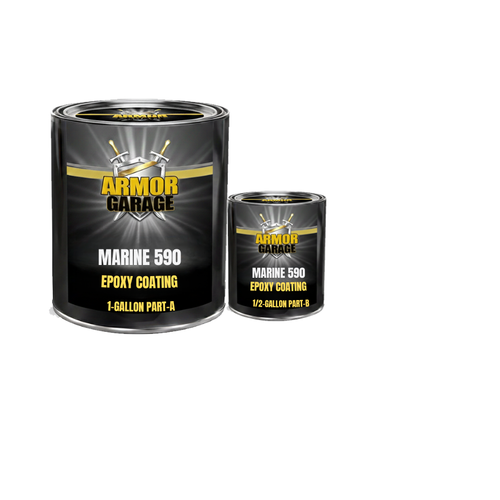
Marine 590X Epoxy Coating
For all marine duty applications. Bonds to tight rust and cures underwater. Bonds To Concrete & Steel
 Veritcle of Horizontal Surfaces
 Superior Finish. Custom Colors Available
-

Epoxy Coating For Steel Pipe & Metal Equipment
This extra thick epoxy mastic is 3x thicker than standard steel paints.
All Standard & Safety Colors
One Coat Coverage
Bonds To All Ferrous Metals
-

Metal Epoxy Coatings For Industrial Plants
2 Layers - Primer + Protective Topcoat
Bonds To Tight Rust. Less Prep Labor!
Engineered to Last the Longest. Saves Labor & Material Costs
Industrial grade epoxy coating system that is built to withstand the harshest environments
-

Epoxy Coating For Outdoor Steel Applications
Versatile corrosion resistant urethane based metal epoxy coating that lasts longer!
1 Coat Application. 250-300 SF/Gal
Bonds To Tight Rust. Less Prep Labor!
Easy To Apply
-

High Zinc Anti-Rust Primer
Prime new or rusted steel. Use as primer for finished topcoats or leave as finished coat..
Versatile Coating Survives Where All Other Coatings Fail
Aggressive Bonding To Rust
Engineered To Last The Longest. Save Time & Material Costs
-

Nano Particle Epoxy Mastic For Tanks & Underground Pipe
For when you need a tough coating that can take abuse in offshore or onshore applications
Impact, Abrasion & Corrosion Resistant. Extra Thick Formulation!
125-175 SF/Gal Coverage.
Engineered To Survive Where Other Coatings Can't. Eliminates Costly Recoats.
Metal Surfaces
Industrial-Grade Epoxy Coatings for Steel
ArmorGarage steel coatings are engineered for long-term durability in heavy industry facilities. Our extensive line delivers superior performance on metal surfaces across every demanding application.
Minimal Prep, Maximum Performance
These epoxy coatings apply to minimally prepared steel surfaces, including on tight rust. Extra-thick formulations with extra-hard finishes withstand heavy-duty punishment—even on mining equipment.
Proven Across Heavy Industry:
See product pages for specifications and application images. Submit a Quote Request for fast pricing and volume discounts.
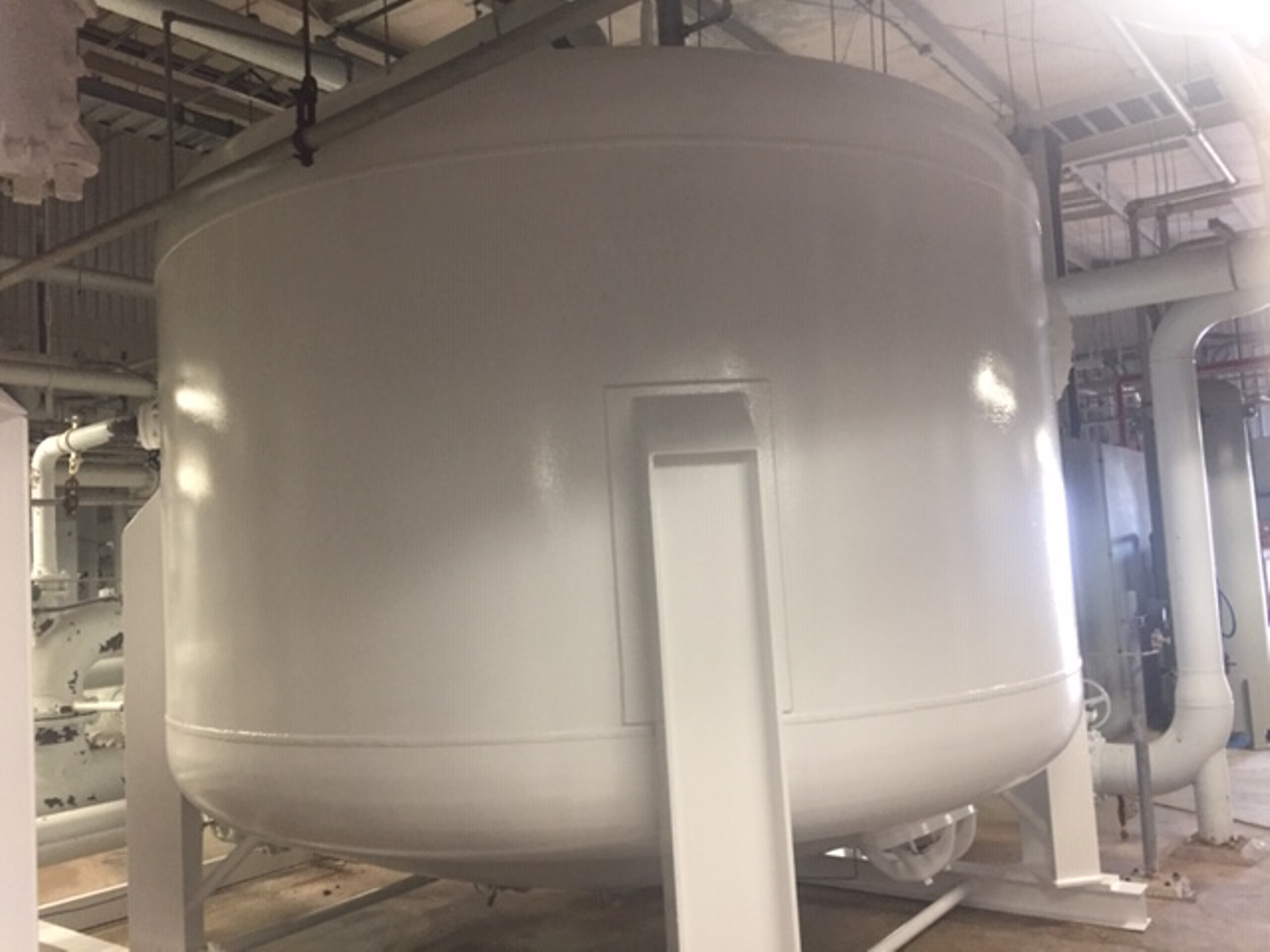
Extreme-Duty Outdoor & Marine 590 Epoxy
Equipment and infrastructure facing harsh weather or operating conditions require coatings that withstand abuse from Mother Nature and operational demands. Whether onshore, offshore, or in ship interiors, your assets need protection from damage and wear.
Engineered to Outlast Competitive Coatings
Our coatings apply to any metal surface with minimal prep, saving time and money. They're engineered to outlast any coating you've previously used, dramatically reducing painting cycle frequency.
Underwater Application Available
We even offer a coating that applies underwater to metal or concrete with leak-stopping viscosity. Popular for repairing leaking cooling towers, sea walls and basins without draining or shutting down operations.
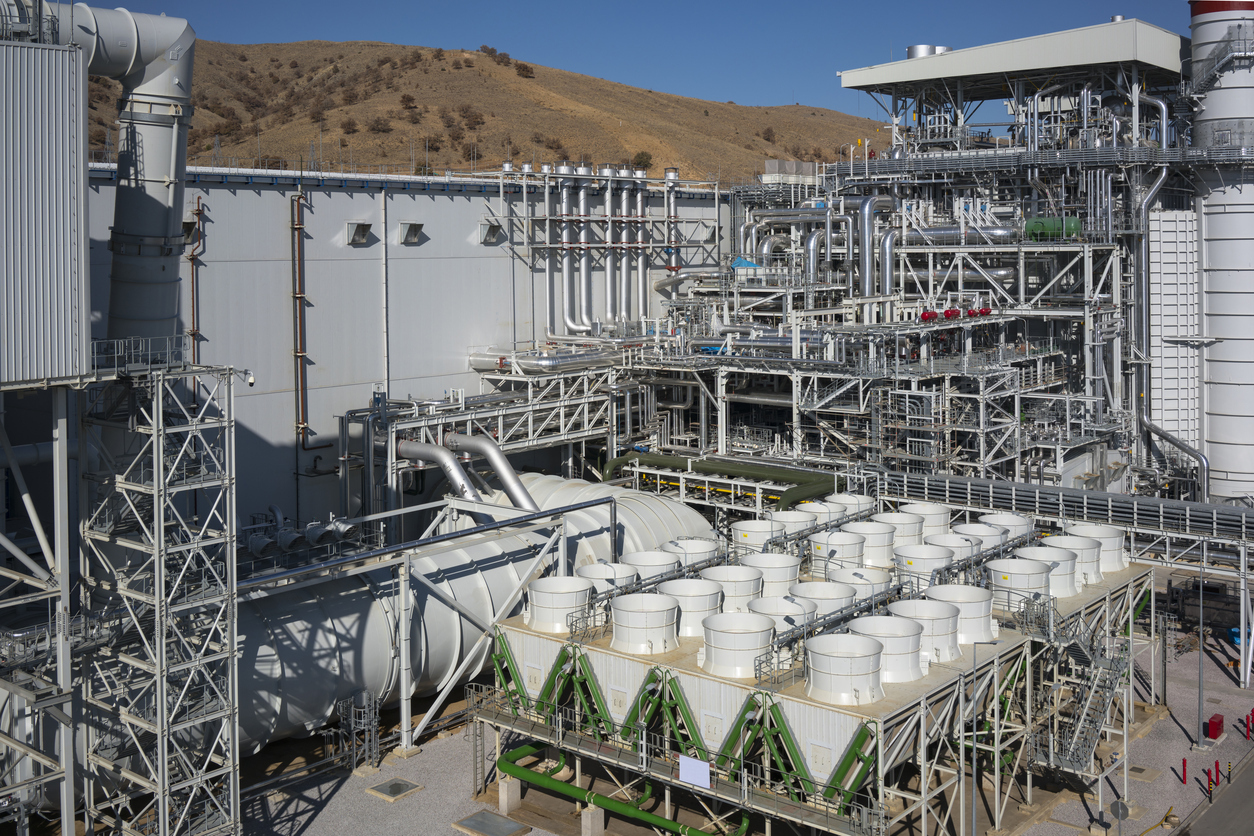
Single-Component Indoor & Outdoor Steel Epoxy Coating
ArmorGarage single-component epoxy urethane coating with aluminum color finish is perfect for remedial painting of fences, metal buildings, industrial silos & process piping, guard rails, encapsulating old lead-based paints, industrial ductwork, grating, and other hard-to-clean surfaces.
Bonds to Imperfectly Prepared Surfaces
Adheres to surfaces that cannot be cleaned 100%. As long as the surface is prepared down to tight rust, this coating will adhere and encapsulate as it cures from light molecular weight to heavy molecular weight.
Application & Performance

Metal Coating Questions, Answered
What is the best epoxy coating for rusted metal?
The best coating for rusted metal is one engineered to bond to tight rust rather than one that demands bare, blasted steel. Wire-brush off the loose, flaking rust; what remains adhered to the surface is “tight rust,” and rust-tolerant systems — an extra-thick epoxy mastic, a high-zinc anti-rust primer, or the single-component epoxy urethane — bond directly to it and encapsulate it as they cure. Thin metal paints applied over rust peel within a season; a rust-bonding coating stops the corrosion cycle instead of hiding it.
Can you epoxy coat metal without sandblasting?
Yes. Every coating in this line applies to minimally prepared steel — wire brush the loose rust, wipe the surface clean, and coat. Sandblasting and grinding to bare metal are what conventional thin-film coatings require to hold; extra-thick mastics and rust-bonding primers are formulated to skip that step, which is why plants use them where shutdown time is limited and blasting isn't practical. The one rule that never changes: loose rust and flaking paint must come off, because no coating bonds to something that isn't bonded itself.
Which metal epoxy coating do I need?
Match the coating to the exposure. Pipe, machinery, and equipment: the 20-mil epoxy mastic, in any standard or safety color. Outdoor infrastructure and remedial painting: the single-component epoxy urethane — UV rated with no topcoat needed, applies down to 25°F, dries in 1–2 hours, handles 400°F surface temperatures. Severe rust or a base for another finish: the high-zinc anti-rust primer. Tanks, underground and offshore pipe: the 15-mil nano-particle mastic. Saltwater, submerged, or constantly wet steel: Marine 590X. Not sure? Call 866-532-3979 — describe the surface and exposure and we'll spec it.
Can you apply epoxy coating to metal underwater or in constantly wet conditions?
Yes — Marine 590X is formulated to apply and cure underwater on metal or concrete, with a leak-stopping viscosity that lets you repair without draining. That's why it's the go-to for leaking cooling towers, sea walls, basins, and offshore steel where shutting down or dewatering isn't an option. It bonds to tight rust like the rest of the line and comes in custom colors for identification.
Can epoxy coatings encapsulate old lead-based paint on metal?
Yes — the single-component epoxy urethane is used specifically for encapsulating old lead-based paints on fences, metal buildings, guard rails, silos, and process piping, where removal would be costly and hazardous. As long as the existing paint and rust are stable and prepared down to tight rust, the coating adheres and seals over them as it cures. Always confirm encapsulation is an approved approach under the regulations that apply to your facility before choosing it over abatement.
How long does industrial epoxy coating last on metal?
The extra-thick epoxy mastic eliminates recoating for an average of 10–15 years on pipe and equipment — versus standard metal paints that need refreshing every couple of years. The difference is film thickness and adhesion: 20 mils bonded to tight rust doesn't wear through or lift the way a 2-mil paint film does. That's the whole cost-of-ownership case for these coatings: one application replaces a decade of repaint cycles, freeing maintenance budget and manpower for other projects.
You can use this widget to input arbitrary HTML code into the page. Invalid HTML code may cause issues with the preview pane.