Garage Floor Epoxy Kits

Garage Floor Epoxy: Durable Floor Coatings for Garages, Shops & Workshops

Garage floor epoxy is a multi-layer protective coating designed to permanently bond to concrete, creating a seamless, chemical-resistant, high-gloss surface. Unlike paint or DIY sealers, true epoxy coatings penetrate and harden within the concrete, protecting it from moisture, road salts, oil, chemicals, impacts, tire abrasion, and heavy traffic.

Epoxy garage floors are used in residential garages, commercial shops, warehouses, race shops, and industrial facilities because of their durability, long service life, and low maintenance requirements.

ArmorGarage offers four garage floor epoxy kits engineered to be true once-and-done epoxy floor systems. Whether you’re parking passenger cars, heavy trucks, exotic sports cars with super-hot tires, or using your space as a full workshop, we have the right epoxy floor system for your specific needs.

Our DIY-friendly garage epoxy packages are designed for first-time users and are available as: Armor Chip (about 75% flake coverage), Armor Granite (about 90–95% flake coverage), our two-layer Commercial System for solid colors (no flakes), and our Metallic Epoxy kit for a one-of-a-kind 3D swirling marble-like finish.

You can customize your coating with primer and military-grade topcoat options so your epoxy floor stays looking new even in the harshest conditions.

All our garage epoxy coatings are made in the USA and focus on easy installation and extreme durability. A properly installed ArmorGarage epoxy floor will protect your concrete from vehicle fluids, road salts, stains, and impacts for 15–20 years.

Every garage floor epoxy kit ships free and comes as a complete package with everything you need in sufficient quantities to do the job right the first time.

Choose the military-grade topcoat option if you:

  • Live in a harsh winter area with heavy use of road salts
  • Have oversized trucks, tractors, or equipment
  • Use your garage as a workshop
  • Store large toys like bobcats, boat trailers, ATVs, or snowmobiles

Our garage epoxy is made from Mil-Spec materials, meaning it is truly 100% military grade— not the fake “100% solids,” “high solids,” or imported solids being marketed by other brands.

All the images and floors you'll see on the following slides were done by first-time users applying an epoxy floor coating for the very first time — including the 20,000 SF race shop video near the end. It’s a must-see.

For deeper information on getting your floor coated right the first time, see our Need To Know section. It covers what you’re buying, how to prep your floor, how to apply an epoxy system properly, and how to avoid buying the wrong product for your project.

ArmorGarage garage floor epoxy kits once-and-done epoxy floor system

Types of Garage Floor Epoxy Coatings

Garage floor epoxy is not a single product. It’s a category of concrete coatings with different system types designed for specific garage conditions, traffic levels, and appearance goals. Choosing the right epoxy system is the biggest factor in how long your garage floor coating stays glossy, stain-resistant, and chip-free.

Solid Color Garage Floor Epoxy

Solid color epoxy systems create a clean, uniform finish and are commonly used in garages, shops, and commercial spaces where visibility of small parts and easy maintenance are important. Long-term performance depends heavily on abrasion resistance and topcoat quality.

Decorative Flake Epoxy Garage Floors

Flake epoxy systems broadcast color flakes into the epoxy to improve traction, hide imperfections, and create a granite-like appearance. Flake coverage can range from partial to near-full coverage depending on the kit and the look you want.

Metallic Epoxy Garage Floors

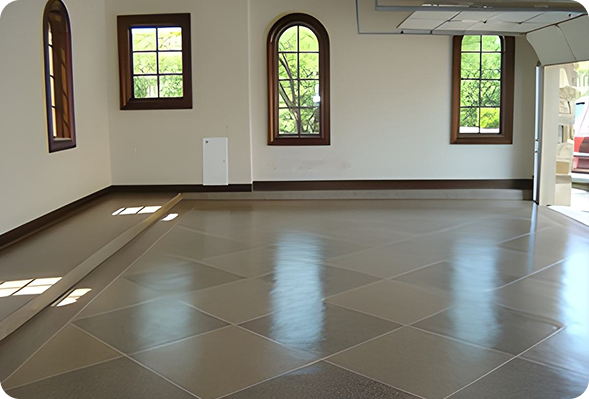
Metallic epoxy floors use special pigments to create a three-dimensional, marbled appearance. These systems are typically multi-layer builds with a clear protective topcoat, making them ideal when aesthetics and durability both matter.

Heavy-Duty & Military-Grade Garage Epoxy Systems

Heavy-duty epoxy systems are built for extreme use: oversized vehicles, hot tires, road salts, chemical exposure, and workshop abuse. These systems prioritize hardness, abrasion resistance, and chemical protection over “one-size-fits-all” coatings.

Understanding these system differences helps you pick the correct epoxy coating for a garage floor so you do your garage once instead of grinding it off and redoing it later.

ArmorGarage epoxy floor systems overview

Armor Granite Epoxy Garage Floor Kit

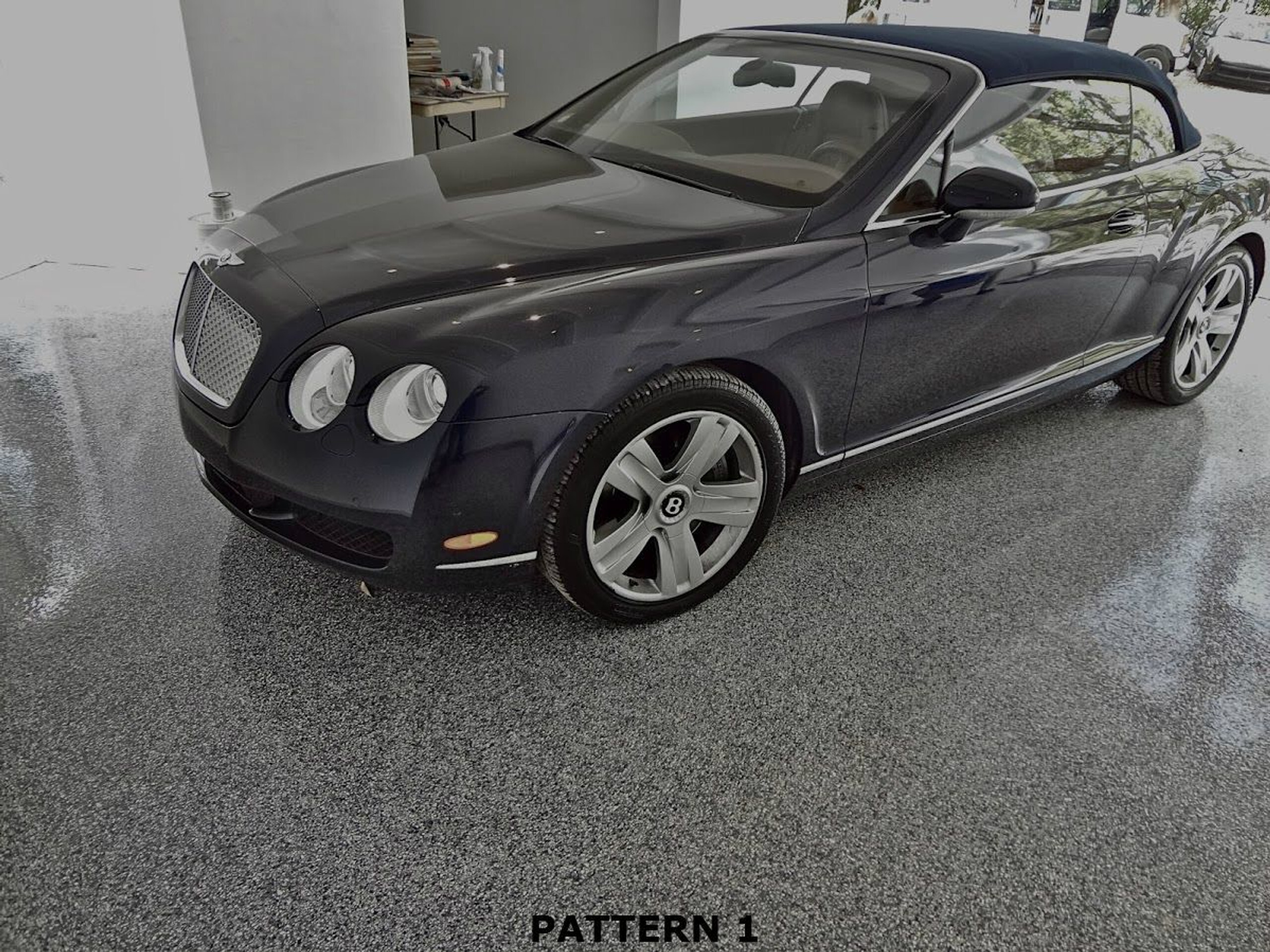
Armor Granite is our top-of-the-line garage floor kit. It features an extra-thick epoxy base, 18 lbs of decorative flakes for 90–95% coverage, and four layers of topcoat for a deep-luster, high-gloss finish that looks like real granite and is built to last.

The floor shown is Pattern One in Light Gray epoxy with black and white flakes — a very popular combination.

We strongly recommend this system over a full-broadcast floor for first-time users. Full broadcast applications can be tricky with pitfalls that often lead to disappointment if you haven’t done this before.

Armor Granite is designed so that first-time users can achieve a real granite-look epoxy floor without the headaches of full broadcast. It looks better, installs easier, and saves time and money.

Armor Granite epoxy garage floor kit with granite look and military topcoat

Solid Color Garage & Shop Epoxy Floors

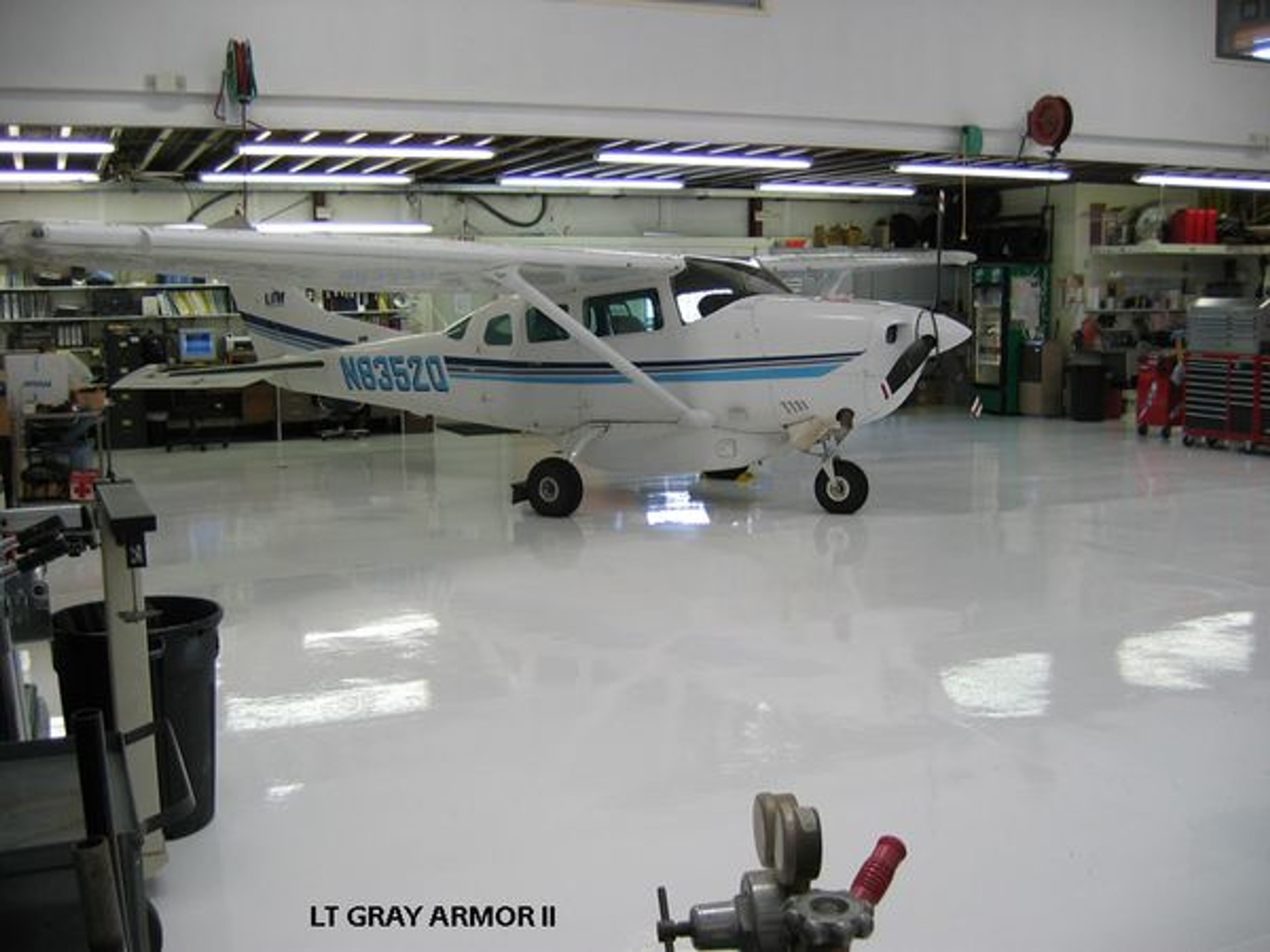
ArmorGarage II is our commercial-grade solid color epoxy floor system. It consists of our proprietary high-performance primer and an ultra-durable protective topcoat in the same color with no flakes.

We supply a high-tech non-slip additive made from micro-tubular aluminum, not generic grit. These micro tubes act like mini rebars in the coating and improve long-term wear resistance.

This system is perfect if you do not want a flake floor and/or if you work in your garage or shop where seeing small parts on a solid color surface is important.

Solid color commercial garage and shop epoxy floor

Metallic Garage Floor Epoxy

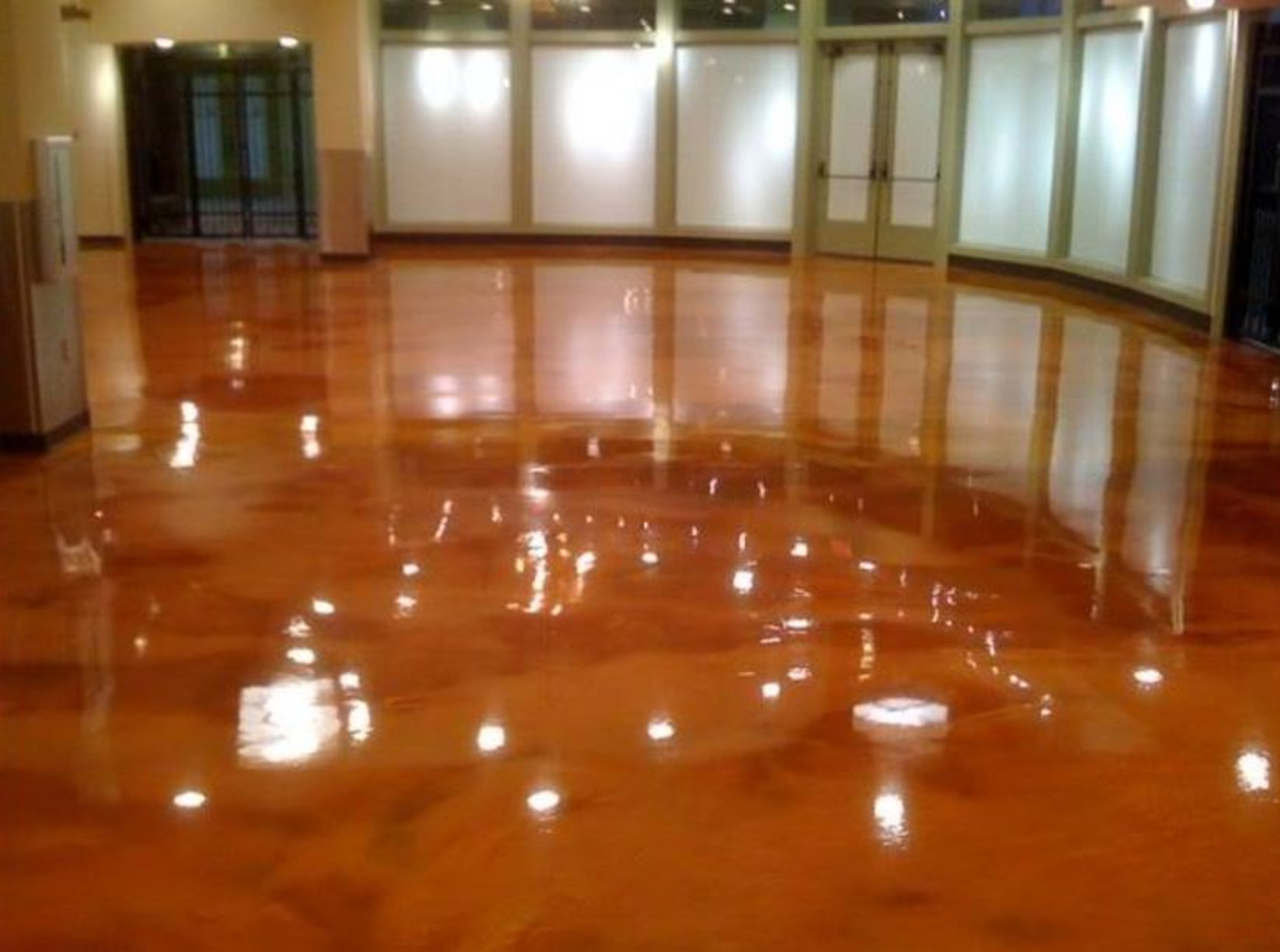
ArmorGarage Metallic Epoxy gives you an exotic, 3D-like swirling marble finish that works in almost any application.

Each metallic epoxy floor is three layers thick: a black primer for depth, a 100% military grade high-build epoxy, and a military-grade clear topcoat designed for long-term gloss retention.

This means you can use this system in a home garage, high-end business, or industrial space — it’s built to last.

Metallic epoxy garage floor with marble-like 3D swirl finish

Transform Your Garage Floor with Epoxy

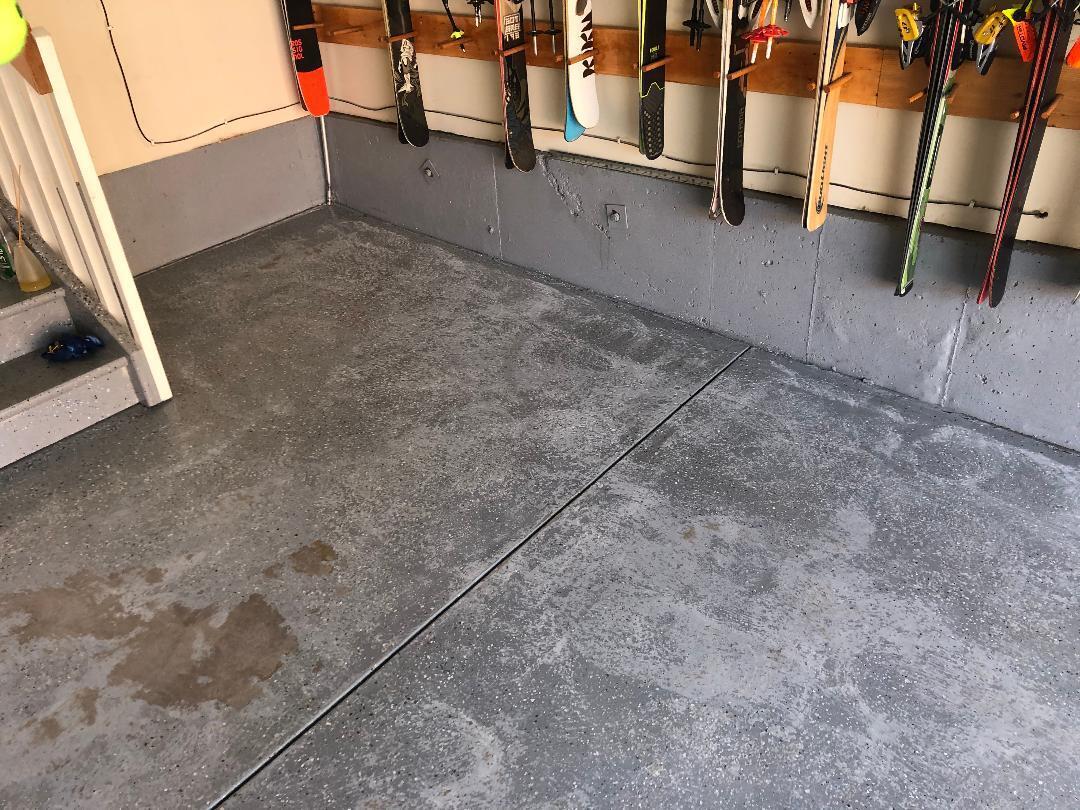
Even the worst-looking concrete can be turned into a showroom-quality epoxy floor. Alan T in Denver had years of road salt damage and oil stains. He had never done an epoxy coating before, but his finished garage looks professionally installed.

The difference: proper prep and a true heavy-duty garage floor epoxy system — not a thin store kit.

Damaged garage floor before ArmorGarage epoxy floor installation

Garage Epoxy Floor Transformation – After

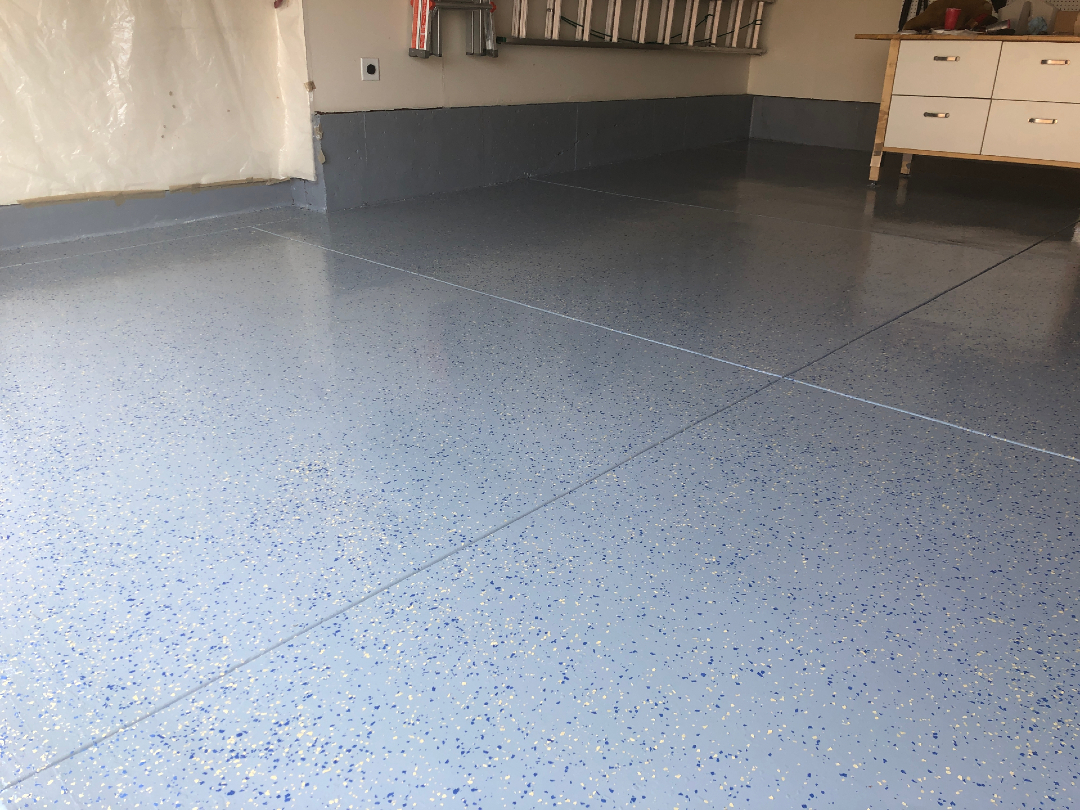
Alan profiled the slab thoroughly, applied primer, installed the Armor Chip epoxy with flakes, and finished with one coat of military-grade topcoat. He left the control joints unfilled (recommended) because it adds dimension and makes the floor look like large granite slabs.

Alan used the Armor Chip garage epoxy kit in medium gray with black, white, and primary blue flakes plus the military-grade topcoat for extra protection.

Garage floor after ArmorGarage epoxy floor coating with flakes

Epoxy Flooring for Shops & Large Garages

Watch this video from our customer, Dynamic Race Works. They completed a 20,000 SF race shop floor in-house over a long weekend using employees who had never installed an epoxy floor before.

They used the Large Format 3-layer Military-Industrial System , but the same epoxy technology applies to garages, pole barns, and man caves.

Contact us about your epoxy floor project and let us help you get a floor like this.

Why ArmorGarage Garage Floor Epoxy Systems Outperform Typical Garage Floor Coatings

Not all garage floor epoxy systems are the same. Below are the key differences that cause most epoxy garage floor projects to fail — and why ArmorGarage garage floor coating systems are engineered to last longer under hot-tire pickup, road salt, oil drips, and daily vehicle traffic.

  • Garage floor epoxy is a multi-layer resin coating system that chemically bonds to properly prepped concrete
  • Creates a seamless epoxy garage floor that resists tire wear, stains, impacts & common garage chemicals
  • Far tougher than paint/sealers because layered coats cure into a hardened, protective film
  • Best results require proper concrete profiling (etch or grind) and contamination removal (oil/grease)
  • Garages: hot tires, salts, brake fluid, oil drips, daily vehicle traffic
  • Home workshops: tools, abrasion, impacts, rolling toolboxes
  • Commercial bays: jacks, service traffic, chemical exposure, frequent cleaning
  • Storage/utility areas: scuffs, spills, moisture, high-use walk paths
  • Match the system to use: light parking vs heavy trucks vs shop traffic
  • Choose topcoat strength based on hot-tire pickup, chemicals, and abrasion level
  • Flakes help hide concrete imperfections; solid colors make dropped parts easier to see
  • Climate matters: freeze/thaw + road salt often require heavier protection and better topcoats
  • See our guide below
  • Multiple garage floor epoxy systems (not one “universal” garage floor coating kit)
  • Designed to reduce common garage failures: peeling, hot-tire lift, staining, and dulling
  • Turnkey kits + support = higher DIY success rate for epoxy garage floor installs
  • Built for long service life in real garages, workshops, and service bays

Why does garage floor epoxy fail, and how can I avoid it? Quick Answer: Most garage floor epoxy failures happen from poor prep (oil, dirt, moisture), thin coatings, or single-coat products that can’t handle hot-tire pickup and garage chemicals. Proper profiling and a true multi-layer garage floor coating system help prevent peeling and premature wear. See: How To Prep & Epoxy Paint Your Floor Properly and Why ArmorGarage Epoxy Really Is The Best.

Question: Can I install a garage epoxy floor myself? Quick Answer: Yes. Our epoxy garage floor kits are designed for first-time users with complete components and clear steps, so you can get professional-looking results without prior experience.

Question: How long does it take to install garage floor epoxy? Quick Answer: For a 1000 SF garage, total man-hours are typically 6–12 hours depending on the garage floor epoxy system you choose and whether you diamond grind or acid etch. Plan 2–3 days for the full installation window.

Question: How long does an epoxy garage floor last? Quick Answer: With proper prep and the right topcoat, an epoxy garage floor can last 10–20+ years depending on vehicle traffic, chemical exposure, and maintenance.

ArmorGarage garage floor epoxy systems are engineered as complete multi-layer solutions — primer, epoxy build coat, and protective topcoat — matched to vehicle traffic, hot-tire demand, and finish requirements instead of a one-size-fits-all formula.

What Is Garage Floor Epoxy? (And Why Some Garage Floors Fail)

Garage floor epoxy is a multi-layer resin garage floor coating that bonds to properly prepared concrete and cures into a durable, seamless surface. Unlike floor paint or thin “one-coat” kits, a true epoxy garage floor system is built to handle hot-tire pickup, road salt, oil drips, chemical spills, and daily vehicle traffic while keeping a clean, glossy finish for years.

Before you choose a garage floor epoxy kit, it helps to know what outcomes we see most often in real garages. Most installs fall into one of three groups:

The Garage Floor Epoxy That Fades Too Soon

Some garage epoxy kits look great at first, but the coating is too thin or the topcoat isn’t strong enough for tire abrasion and stains. The gloss drops, swirl marks show up, and the floor needs recoating sooner than expected.

The Garage Floor Coating That Peels (Hot-Tire Lift)

This is common with thin store-bought kits or poor prep. When the concrete isn’t cleaned/profiled correctly—or the product isn’t designed for garages—hot tires can soften and lift the coating. Bare spots spread, and the only real fix is grinding and starting over.

The Epoxy Garage Floor That Stays Strong for 15–20+ Years

A heavy-duty garage floor epoxy system bonds tightly to concrete and is protected by a durable topcoat matched to your traffic and environment. With proper surface prep and the right coating build, your garage floor can stay bright, smooth, and easy to clean for many years without rework.

Quick Answer: What is garage floor epoxy? A resin-based garage floor coating that chemically bonds to concrete and cures into a tough, seamless surface designed to resist hot tires, stains, and chemicals.

Quick Answer: Why does garage floor epoxy peel? Usually from poor concrete prep (oil/dirt/moisture), thin coatings, or using a product not engineered for hot-tire pickup and garage conditions.

Quick Answer: Is epoxy garage floor DIY? Yes—when you use a complete kit and follow proper prep steps, DIY installation is straightforward and can look professional.
Why Use a Garage Floor Epoxy Kit?

A garage floor epoxy kit keeps things simple. One box includes everything needed for the job — resin, hardener, flakes, tools, and topcoat — all engineered to work together.

A complete epoxy garage floor kit helps prevent common mistakes that lead to peeling and failure. You avoid mixing brands or missing components, ensuring proper thickness, adhesion, and long-term durability.

  • Thick mil build designed for hot tire pickup resistance
  • Heavy-duty system for daily garage vehicle traffic
  • Extra strength for workshops, tools, and rolling loads
  • Durable epoxy layer that resists oil and chemical drips
  • High-strength topcoat that fights salt stains and wear

A full kit keeps installation efficient and predictable, leaving you with a bright, tough garage floor epoxy finish built for everyday use.

Which Garage Epoxy Kit Is Right for You?

Your floor handles its own mix of cars and tools. Pick the kit that matches the weight and use it in your space. Think about how you park, store gear, and move around the slab.

Use this guide to find your match .

  1. What rolls or sits on your floor each day.
  2. Pick flakes, solid color, or a metallic swirl style.
  3. Think about workshop tasks or heavier toys in your space.

Here is a short guide to each kit and how it suits different floors. MG=Military Grade Topcoat

Garage Epoxy Kit Comparison

Kit Armor Chip Armor Granite Commercial Kit Metallic Kit
Best For Standard cars, light trucks Max durability, heavy toys Workshops, heavy loads Decorative 3D look
Thickness 20 mil 27 mil 14 mil 30 mil
Coats 2 4 2 3
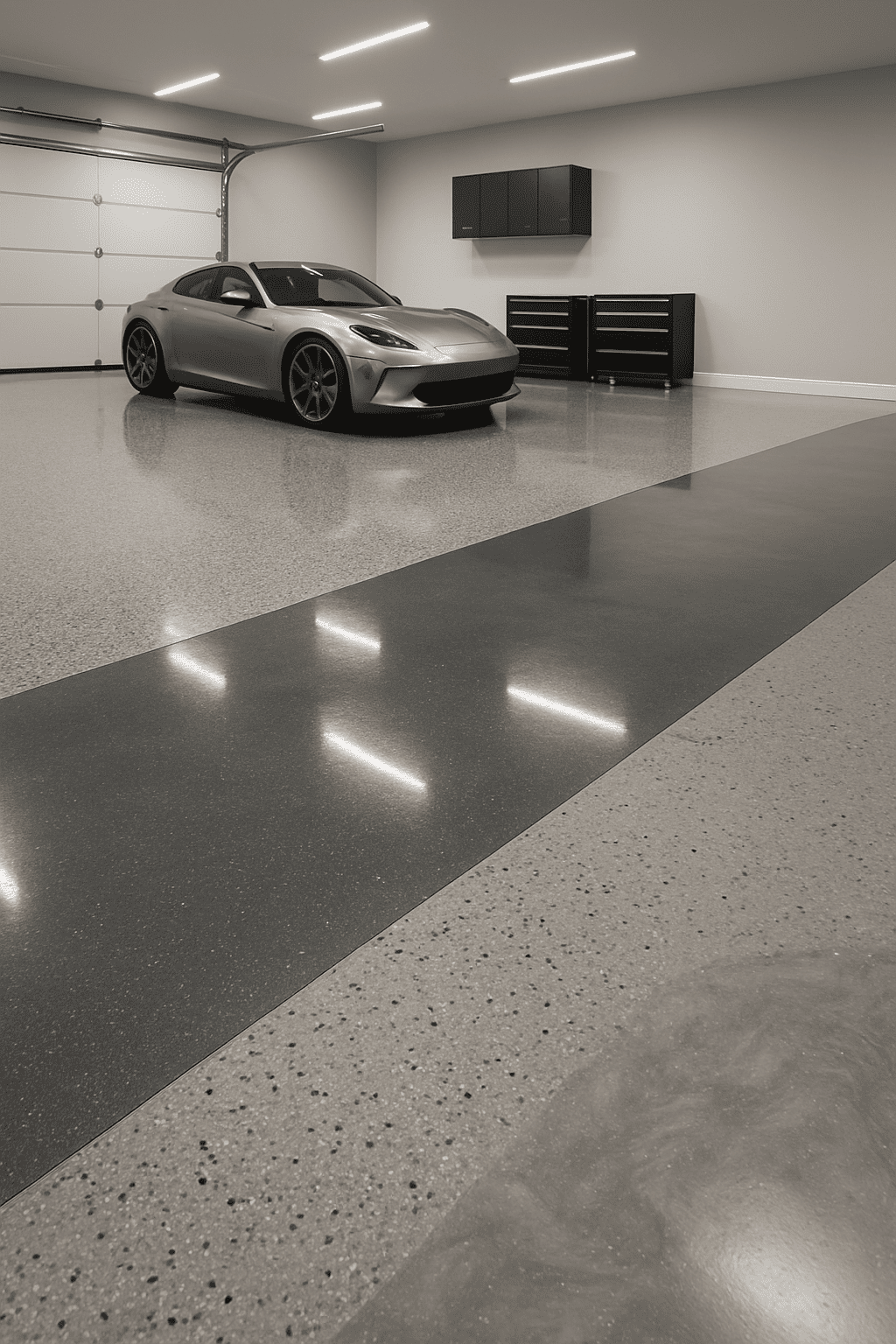
Finish Flake Heavy flake Solid color Metallic swirl
Topcoat Optional MG Optional MG MG included MG included
Lifespan 15–20 yrs 20 yrs 20 yrs 15–20 yrs
Summary Best all-around DIY flake system Thickest flake build Forklift-rated finish Thickest, premium aesthetic
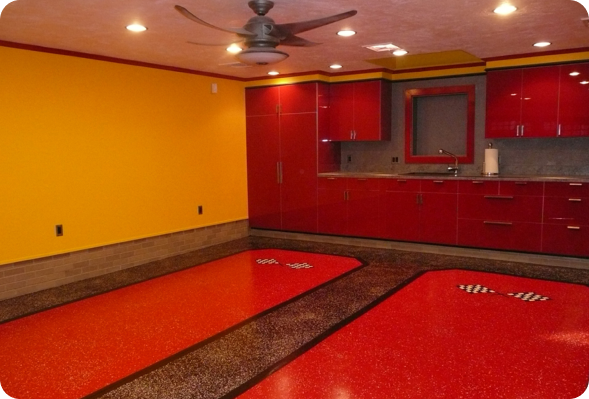
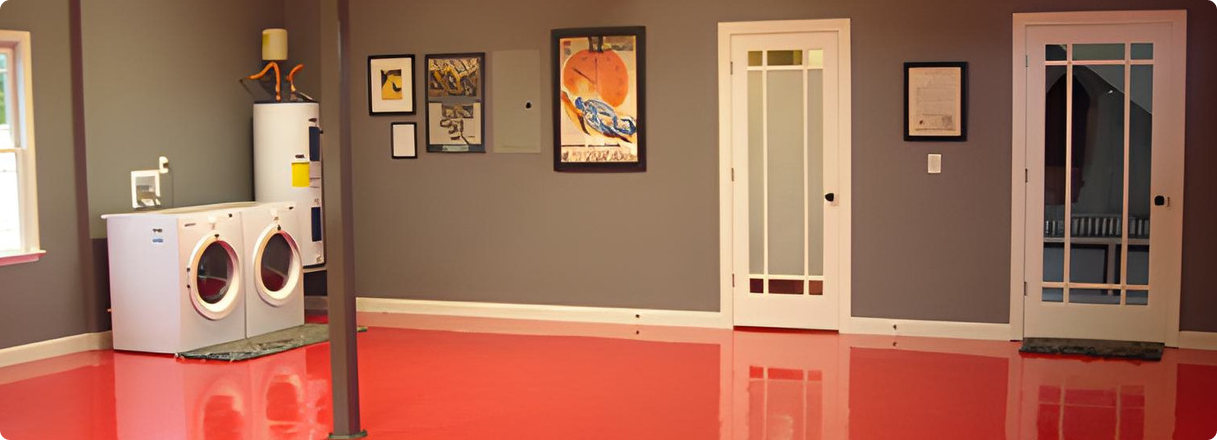
Bright Red High Gloss Garage Floor

How to Choose the Right Garage Epoxy Kit

Picking the right garage epoxy kit starts with how you use your garage each day. Look at the cars you park, the tools you move, and the space you work in. Once you know your load and layout, the choice becomes easy.

Your floor needs the right mil build, finish type, and topcoat strength. Each kit fits a different mix of traffic, weight, and style. Use the guide below to match your setup fast.

Standard Cars and Light Trucks

You can use any standard main kit here. Pick your epoxy based on the surface look you want. Some users like flakes, while others want a solid color coat.

  • Primer helps with stronger adhesion
  • Military-Grade Topcoat helpful for harsh weather areas and workshops
  • Standard kits as is are a good choice for light daily parking

Sports Cars, Large SUVs, and Off-Road Tires

Wide high-performance tires get very hot and sticky, which creates higher abrasion. Choose the Commercial Kit for stronger surface strength. You can also use the Metallic Kit for a thicker overall coating. Armor Chip or Granite also works with a Military-Grade Topcoat and or primer.

This is the difference between putting down just any epoxy coating and putting down one that has the right performance characteristics for your specific application.

Workshop or Mechanic Garages

Work zones need a clean, bright work surface. Pick the Commercial Kit so you can spot small parts fast. Armor Chip & Armor Granite ok for woodshops.

  • High gloss finish brightens work areas
  • Strong topcoat handles jack stands, and rolling carts

Garages With Trailers or Heavy Equipment

Heavier loads apply more pressure on the coating. Use a primer first to lock the resin into the concrete pores. Choose the Military-Grade Topcoat option for better wear strength. Pick Chip, Granite, or the Commercial Kit based on your mix of wheels and the type of work you do.

The right kit with the right options keeps the floor strong where load spots build up. It also adds longer service time for rougher garage work.

Garage Floor Epoxy FAQs

Straight answers to the most common questions about garage floor epoxy, choosing the right epoxy garage floor system, and getting a long-lasting garage floor coating.

A properly prepped and installed multi-layer epoxy garage floor can last 10–20+ years in most garages.
  • Longevity depends most on prep, thickness, and the quality of the topcoat (abrasion resistance).
  • Harsh winter salts, heavy trucks, and workshop abuse benefit from upgraded topcoat options.
Yes—new concrete often needs profiling to remove curing residues so your epoxy coating bonds permanently.
  • Many floors can be etched (and neutralized) correctly; some benefit from grinding depending on condition.
  • The goal is the right concrete profile—this prevents peeling and early failure.
Primer is recommended for weak, porous, older, stained, or questionable concrete because it increases adhesion and coverage.
  • If your floor is in poor condition, primer can be the difference between “one-and-done” and redoing later.
  • For very sound floors, primer may be optional depending on the system and your use case.
Most systems need overnight cure between major layers, with exact times depending on temperature and humidity.
  • Always follow the instructions for recoat windows—waiting too long can reduce intercoat bonding.
  • Colder temps slow cure time; higher humidity can affect cure behavior.
Typically 48–72 hours after the final coat, depending on temperature, humidity, and the specific topcoat used.
  • You can often walk on it sooner than you can park on it.
  • Hot tires are hardest on new coatings—full cure is your friend.
All glossy epoxy can be slippery when wet—use a proper non-slip additive if slip resistance is important.
  • Flake systems add texture; dedicated non-slip additives add grip without ruining the look.
  • Choose the amount based on how much traction you want.
Yes—sectioning is common for DIY installs, but you must follow the correct overlap method so the seams disappear.
  • Plan your cut lines and use proper masking/stop lines.
  • Follow the product’s recoat window so the sections chemically bond.
WB/WBU typically means “water-based,” which is usually thinner and less durable than true high-performance epoxy floor systems.
  • Water-based products can be easier to apply, but often wear, dull, and stain faster under garage traffic.
  • For long-term garage floor coating performance, system thickness and topcoat durability matter most.
DIY epoxy garage floors usually cost far less than contractor installs, but performance varies drastically by system quality and thickness.
  • The lowest-priced kits often wear out fast—making them more expensive long-term.
  • Investing in the right system once is typically the lowest cost of ownership.
Choose based on your use case: flake for traction & hiding flaws, solid color for visibility, metallic for a 3D look, heavy-duty for extreme abuse.
  • Color flakes: great for garages/workshops; hides imperfections.
  • Solid color: ideal when you want to see small parts.
  • Metallic: high-end decorative look with durable layers.
  • Upgrade topcoat: best for road salt, heavy trucks, and shop use.

Still have a question about your garage floor coating? Call or email ArmorGarage and we’ll help you choose the right system.

Why Armor Garage Epoxy Kits Perform Better

Many floors fail fast because the coating is too thin. Some lose shine in the first year. Others peel under hot tires or daily garage use. You avoid those problems when you use a stronger kit with thicker coats from the start.

Our garage floor epoxy kits stop those issues with stronger layers and thicker coats built for tough loads. We use materials that hold up under heat, weight, and sharp wheel turns. Each kit follows a proven build that helps your floor stay bright and smooth for many years.

  • Military grade resin with thick heavy duty build
  • Urethane topcoats handle tough floor wear
  • Low abrasion levels with MG and commercial coats
  • Multi layer coating for solid mil depth
  • No water based epoxy in any kit
  • Long service time from strong resin blend
  • Made in USA with trusted materials
  • Used on large floor projects with high load pressure

What’s the Difference Between Each Armor Garage Epoxy Kit?

Each Armor Garage kit has a different build and look. That helps you match your floor to how you use it. Here is how each kit stacks up for thickness, flakes, and coats.

Garage floor epoxy coating with color flake combinations

Armor Chip

Armor Chip is the standard garage epoxy kit in the line. It includes 6 pounds of color flakes in each box. Two clear topcoats build a surface 20 mils thick.

  • Good fit for daily cars and light trucks
  • Flake finish helps hide small marks and dust

Armor Granite

Armor Granite is the top flake upgrade for garage floors. It uses extra thick epoxy for a deeper build. The kit includes 18 pounds of flakes and 4 coats. The finished floor reaches 27 mils thick.

Commercial Kit

  • Commercial Kit has a solid color finish only
  • 2 layers reach fourteen mils of total build
  • Forklift rated topcoat handles heavier rolling and point loads

This kit suits work areas with tools and stands. It works well where you want a bright, simple surface.

Metallic Epoxy Kit

Metallic Epoxy kit is a three-layer swirling marble 3D finish with primer, metallic. It uses a primer coat, metallic layer, and strong topcoat. Our best-in-class military-grade topcoat, and is 30 mils thick.

  • 3 coats stack for a thick, deep finish
  • Military grade topcoat protects the metallic surface pattern
  • Good choice for show style garages with strong loads

What’s Included in Each Garage Floor Epoxy Kit?

Each kit arrives packed with everything you need for the job. You get a full setup that helps you coat your floor without running around for tools. Every part in the box works with our resin, so your floor gets even coverage.

Inside each garage floor epoxy kit, you get 100% military-grade epoxy and an industrial-grade urethane-based clear topcoat with an optional Military Grade upgrade. You also get 6–18 lbs of multi-color flakes, spike soles, etching powder, a premium squeegee for right-thickness spread, epoxy-rated rollers, mixers, and a non-slip additive. The kit also includes detailed instructions so you can follow each step with ease.

You also get phone support, email support, and FREE SHIPPING. This setup helps you start fast and finish strong.

Real-World Results: A Tale of Two Epoxies

Getting a garage floor that looks sharp is the first step. Keeping that same look for 15–20 years is what sets a strong kit apart. John and Eric’s story shows this difference better than any chart or claim.

Eric used the Armor Chip garage kit on his slab. John used a big-box epoxy to save some money. Both floors looked the same at first, but that changed fast. John’s floor dulled, stained, and then peeled in less than a year. Eric’s floor stayed bright, clean, and smooth.

Eric shared this note with us:

Hey Jim, Eric Pfeiffer here from Miami. Thought you would find this picture interesting! You sold me the Armor Chip garage flooring kit (floor on the right) with the standard topcoat and my friend John did his floor with an epoxy kit from the local big box store to save some money (oil-stained floor on the left). Both floors looked similar, but that didn’t last more than a year, and the difference now is amazing!

My floor still looks good and cleans up easily, but it’s getting to the point where it could use a freshening. I’m going to use the Military Topcoat to give it that new look again after a light sanding to rough it up. John was told he needs to do a complete diamond grind on his spot! I’m figuring the military topcoat will give me a finish I’ll never have to redo, judging from how long the standard topcoat lasted, which is now going on over 10 years. Speak to you soon (so will John!) and thanks for a fantastic product and your great customer service!”

Side by side comparison of ArmorGarage floor epoxy vs Big Box Store epoxy paint

Eric’s Armor Garage floor held up under hot tires for over ten years. The flakes stayed tight. The surface only shows light scuffing from tight parking turns. A single coat of Military Topcoat will put it back to a fresh look for another 15–20 years.

John’s floor ended up in the opposite place. His coating failed, peeled, stained, and now needs a full diamond grind and heavy cleanup. That extra step costs more time, more work, and the headache of emptying the garage again.

This story is a simple reminder: strong epoxy lasts. Light-duty kits don’t. Armor Garage helps you stay in the long-lasting category from day one.

How to Prepare Your Garage Floor for Epoxy

Prep decides how long your floor holds up. A strong coat starts with a clean, open slab. These steps help you get a surface that grips the resin and stays smooth.

Take your time with each step. Your floor only bonds as well as the prep you do now. A great epoxy job still fails on a poorly prepared slab, and even the best product cannot fix a bad surface.

If you want full details, check the How To Prep & Epoxy Paint Your Floor page in the "NEED TO SECTION" before you buy anything. It shows what to avoid and what to follow so your floor lasts.

Remove Dirt, Oil, and Old Marks

Wash the slab first. Scrub oil spots until they feel dry. Sweep dust and scrape old paint so the resin touches clean concrete.

  • Oil blocks grip and weakens the bond
  • Sealer or wax stops the epoxy from attaching

Grind or Etch the Concrete Surface

Grinding profiles the concrete and helps the resin grab tight. A rental grinder from a local store works fine. If you skip grinding, you must acid etch the slab.

Dirty floors, new concrete, or power-troweled slabs need two full etch rounds. Rinse the surface well and power wash to move grit and dust. Etching opens the pores of your slab, allowing the epoxy to flow into them and lock in for an unbreakable bond.

Patch Cracks and Rough Spots

  • Fill cracks before coating. Do not use pre-mixed compounds that chip and crack out of your floor, ruining your new high-gloss finish.
  • Level raised areas so the coat spreads evenly

Fix rough spots now, for a smooth finish. Remember, the epoxy is super high gloss and will highlight any blemish

Check for moisture and allow proper Dry Time for the slab to dry after etching

Your slab must be dry before any coating. Damp concrete makes the resin pull away in the future.

Prime When Needed

A primer layer gives older floors extra strength. It also adds more build and helps the epoxy spread better. Primer is optional, but many slabs gain a lot from this step.

Primer can raise coverage up to 25% and increase floor build to 25–30 mils. For a 600–700 sq ft slab, use one 600 sq ft epoxy kit and the 900 sq ft primer option, plus the right topcoat if you choose the Military Grade finish. You get an extra epoxy layer without buying two separate epoxy kits.

Why Garage Floor Epoxy Lasts So Long

Garage epoxy holds up because the coating forms a tight grip on the concrete. Thick coats form a monolithic block on the slab and withstand the pressure of daily parking. A solid, thick block also keeps heat, weight, and sharp turns from breaking the finish.

A strong topcoat layer helps block scratches and stops stains from fluid spills, oil drips, snowmelt, and road salt. This allows the floor to handle rough use without breaking down.

  • Thick coats do not reliquify under hot tire contact like low-quality paints and thin build epoxies
  • Military garde resins help withstand heavy pressure and wear points
  • Urethane top layer shields the epoxy layer from fluid stains, UV rays, and repetitive drive paths
  • Chemical bond strength helps stop peeling near wheel paths

Epoxy lasts because the coating stays tightly adhered to the floor when you properly prepare it, and the surface stays protected through every drive in and out.

Important Things To Know About Garage Flooring Epoxy Coatings

Never coat a garage floor without a urethane topcoat. A top layer protects the epoxy and stops early wear. Skipping this step wastes time and money.

Topcoat Guide

Garages with off-road tires, racing tires, golf carts, tractors, or trailers need a topcoat with a 10 mg or lower abrasion rating. The same rule fits workshop floors with floor jacks, tool chests, or heavy gear.

ArmorGarage offers a 4 mg Military Grade topcoat. This top layer forms a very hard finish that handles tough use on any garage floor. Ratings above 20 mg offer low wear protection.

Every drive, walk, or roll creates abrasion on the surface. Low-quality epoxies break down fast under this pressure. Your epoxy may stay stuck, but the floor will still look worn, dull, or marked, and this look is not covered under any guarantee.

Avoiding Buyer's Remorse

Most complaints about epoxy floors come from poor prep or weak coatings. Social posts show the same story over and over. That is why ArmorGarage shares every step upfront. The goal is to help you avoid a failed floor.

Floor Prep Advice

If you do not diamond grind or rent a prep machine from a home store, you must acid etch the floor. Dirty slabs, new concrete, or power-troweled surfaces need two full etch rounds. A power wash helps remove loose grit and dust.

Check the Application Instruction tab on each product page for full prep details. This coating is not the same as store-bought epoxy.

About Full Broadcast

People ask about full flake coverage. Full broadcast is not a smart choice for most users. Laying that many flakes evenly is very hard without pro skills. The floor often looks uneven and color-heavy in random spots.

75–100 lbs of chips are needed for a proper full broadcast. Thin epoxy leads to peeling and delamination. You also need a double topcoat to fill all the small spaces between the thick layer of flakes.

If you like a heavy flake style, choose the Armor Granite Kit. It gives 90–95% coverage and lands a granite-style finish every time at a much lower coat.

IMPORTANT FACTS & FICTION TO KNOW

Most people want a floor that stays tight and looks sharp for many years. We hear from many customers who want to redo their floors after a bad first try. The lucky ones only need a light sanding and a coat of our Bonding Primer to help our epoxy adhere to the old layer.

The unlucky ones end up needing a full redo. Their floor turns dull, stained, and then starts peeling everywhere, just like John’s floor in the story below. Those jobs need a full diamond grind before starting again. That step takes time, money, and a lot of effort.

The best way to avoid those problems is to ignore the hype you see online. Stay away from claims about products that say they are 10X stronger than epoxy or say high solids are good enough. Those claims are false. Before selling our contracting division, we installed floors across the Tri-City area, including work inside the Freedom Tower. We know what works and what fails. If you want a bulletproof floor, follow our guidelines. We show each step so your floor looks like the ones in our photos.

Guidelines for Picking the Right Kit

For regular passenger cars, light pickups, and midsize SUVs, you can pick any of the four standard epoxy kits. The look you want decides which one fits your taste.

For large SUVs, sports cars with high-performance tires, or big pickups with off road tires, use the Commercial Kit or Metallic Kit right out of the box. If you want Armor Chip or Armor Granite instead, pair them with the Military Grade topcoat. Primer is optional because our epoxies grip well, but it helps and is worth adding.

If you work in your garage, use the Military Grade topcoat with Armor Chip or Armor Granite. If you work with small parts, go with the Commercial Kit because flakes make parts hard to find on the floor. Primer helps both Armor Chip and Armor Granite, while the Commercial Kit already includes a Military Grade topcoat. The U.S. Coast Guard uses this product in helicopter maintenance bays. You may wear it down in your garage twenty years from now.

If your garage doubles as a workshop or a place for heavy items like boat trailers, tractors, or Bobcats, use primer and the Military Grade topcoat with Armor Chip or Armor Granite. The Commercial Kit works fine without changes.

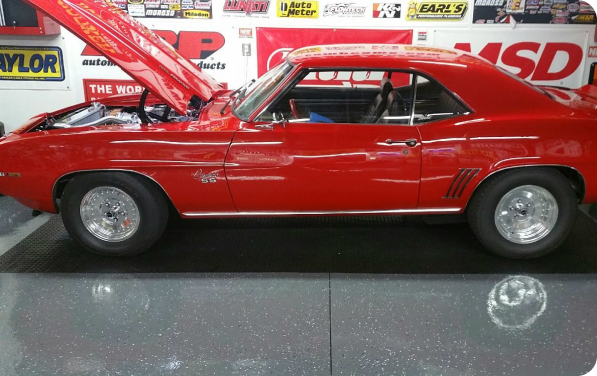
Armor Chip Garage Epoxy With Red & Black Colors Armor Granite Garage Epoxy Kit