
Epoxy Flooring Cost Per Square Foot in 2026
Posted by ArmorGarage LLC on Apr 1st 2026
Epoxy flooring costs per square foot depend on the chosen system. At ArmorGarage, DIY floor coatings start at $1.35 to $4.00 per square foot. Professionally installed floors usually range from $5.00 to $9.00 per square foot. Floor size, concrete preparation, coating thickness, and finish all impact the final price.
Garages, shops, showrooms, and commercial floors need specific coating systems. ArmorGarage offers garage epoxy kits, metallic epoxy, and commercial coatings, including primer, 100% solids epoxy, and a protective topcoat. When comparing prices, check what is included and consider your intended use, since lower price does not always mean better value.
How Much Does Epoxy Flooring Cost per Square Foot?
Epoxy flooring from ArmorGarage starts at approximately $1.35 per square foot. Costs increase as the coating system becomes thicker and more durable.
Large commercial DIY systems typically cost $1.35 to $2.00 per square foot. Garage floor epoxy kits are priced higher because they include decorative flakes, thicker coatings, and a topcoat. Metallic epoxy costs more due to the additional materials and more intricate application process.
Prices also increase with additional coats and decorative finishes. Shops, showrooms, and high-traffic garages require more durable flooring than light-duty areas. Selecting a coating that fits your expected traffic, and use provides better long-term value.
Epoxy Flooring Cost by Space Size
Epoxy floor pricing can be estimated based on area size. Smaller floors have lower upfront costs, while larger areas require more coating and additional kits. The table below shows typical DIY cost ranges using ArmorGarage product pricing and coverage.
|
Residential Garage (1 car) |
240 – 360 sq ft |
$600 – $1,440 |
|
Residential Garage (2 car) |
400 – 500 sq ft |
$1,000 – $2,000 |
|
Basement Floor |
500 – 850 sq ft |
$600 – $2,125 |
|
Small Shop / Commercial |
550 – 1,500 sq ft |
$740 – $2,880 |
|
Warehouse / Large Commercial |
10,000 – 50,000 sq ft |
$13,500 – $100,000 |
Larger floors often have a lower price per square foot. Decorative finishes such as flake and metallic epoxy increase costs. Select a coating based on your usage requirements and desired appearance.
Epoxy Flooring Types and Where Each One Fits Best
The type of epoxy floor you choose affects both appearance and performance. Some coatings are suited to light-use rooms, while others are designed for vehicles, tools, and high-traffic areas. ArmorGarage offers garage epoxy, flake floors, metallic epoxy, and commercial coatings to accommodate various traffic levels.
Basic epoxy coatings work well for areas with light daily use. Standard garage epoxy withstands vehicles, storage, tools, stains, and hot tires. Flake epoxy provides additional texture and grip while concealing dirt and marks on concrete floors.
Metallic epoxy is ideal for show garages, basements, and retail spaces. It uses a dark primer, metallic pigment, and topcoat to achieve a marble-like appearance. Commercial epoxy is suited for warehouses and shop floors, offering resistance to heavy traffic, chemicals, and demanding use.
What Affects Epoxy Flooring Cost?
Seven key factors influence the total cost of epoxy flooring. Each affects the amount of product, preparation, or protection required. Knowing these factors helps you plan your project more effectively.
- Floor Size: Larger floors need more epoxy, primer, and topcoat. A warehouse floor costs more overall than a small garage floor.
- Concrete Condition: Cracks, stains, weak spots, and rough concrete require more preparation. Weak concrete may also need a primer to seal the surface.
- Surface Preparation: Grinding or etching improves the bond between the coating and concrete. Investing in detailed preparation increases initial effort but extends the floor's lifespan.
- Solids Content and Thickness: Thicker epoxy requires more product per square foot. ArmorGarage uses 100% solids epoxy in its more robust floor systems.
- Primer and Topcoat: Primer enhances adhesion and seals porous concrete. A topcoat provides additional protection against wear, stains, chemicals, and sunlight.
- Finish Style: Solid color floors offer a clean, uniform appearance. Flake floors add texture and conceal imperfections. Metallic epoxy involves more layers to achieve a marble-like effect.
- Floor Traffic and Use: Storage rooms place minimal stress on coatings, while busy garages, shop floors, warehouses, and work areas require greater durability against wear and chemicals.
DIY vs Professional Epoxy Flooring Cost
Installing epoxy flooring yourself can reduce costs. ArmorGarage kits let you coat a garage or shop floor at a lower upfront cost. Proper floor preparation is more important than those who perform the installation. The table below compares DIY and professional results.
|
DIY Epoxy Flooring |
Professional Installation |
|
Lower upfront price with full epoxy kits |
Higher cost due to labor and crew time |
|
Good for garages, basements, and small shop floors |
Best for large floors or areas with heavy equipment |
|
You handle cleaning, crack repair, and surface prep |
Installer handles prep, but quality still depends on how well it is done |
|
Needs your time to complete each step |
Saves your time but increases total project cost |
|
Lasts longer when you apply the coating the right way |
Can still fail if prep is rushed or coating is thin |
Professional installation is best for larger floors or when minimizing labor is important. While less expensive, thin coatings might appear cost-effective upfront; they may peel, stain, or wear quickly, possibly resulting in greater long-term expenses. Investing in detailed preparation and a durable coating provides better value over time.
Flake vs Metallic vs Solid Color Epoxy: Which Gives Better Value?
The optimal option depends on your intended floor use. ArmorGarage recommends a flake finish to conceal imperfections, a solid color for visibility, and a metallic finish for a impressive appearance. Flake suits most garages, while metallic is best for spaces focused on aesthetics.
Flake epoxy adds texture and conceals dirt, marks, and minor floor imperfections. ArmorGarage describes flake floors as similar to terrazzo or granite. This finish also improves grip, which is beneficial in active garages. Solid color epoxy creates a clean, uniform surface, making tools, parts, and spills more visible in workshops and work areas.
Metallic epoxy is the most decorative option. ArmorGarage applies it in three layers: a dark base coat, metallic pigment, and a topcoat to achieve a marble-like appearance. Metallic floors call for precise application, and the final pattern varies with each installation.
For most home garages, flake epoxy offers an effective balance of appearance, grip, and durability. Choose metallic for a showroom-quality finish or select a solid color for a clean work surface and improved visibility.
Is Epoxy Flooring Worth the Cost?
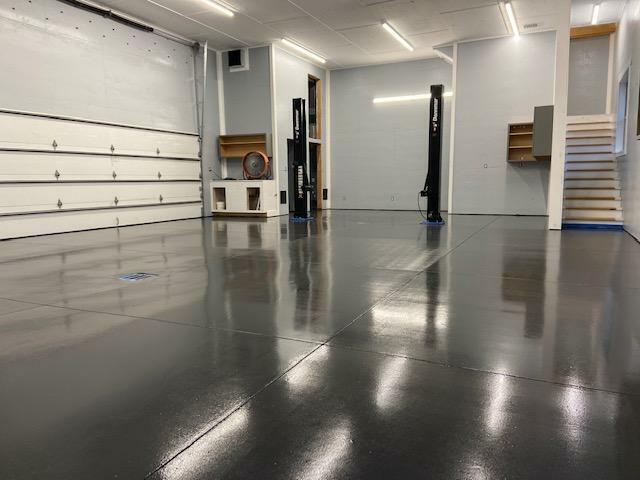
Epoxy flooring is a worthwhile investment beyond the initial price. A durable floor reduces the need for recoating, repairs, and premature wear, resulting in reduced long-term expenses.
ArmorGarage floors offer greater resistance to hot tires, road salt, chemicals, stains, and heavy wear compared to thin coatings. The sealed surface is easier to clean, keeping its finish with less effort and daily wear. Investing more up front can lead to lasting savings by increasing durability.
Get the Best Epoxy Floor for Your Garage
Steer clear of overpaying for flooring that does not last. ArmorGarage offers epoxy kits and coatings for garages, shop floors, and other frequently used areas. Select a coating designed to withstand vehicles, tools, and everyday use.
Contact ArmorGarage for assistance with product costs, coverage, and floor selection. Compare epoxy kits, review pricing, and choose the appropriate coating for your concrete floor. Start with a solution that provides durability and reduces future repairs.