

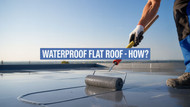
How to Make a Flat Roof Watertight?
Posted by ArmorGarage LLC on May 19th 2025
How to Make a Flat Roof Watertight (Without Replacing It)
To make a flat roof watertight, clean the entire surface, reinforce all seams, flashings, and penetrations with seam mastic, then apply two coats of a flexible rubber-based roof coating that cures into a seamless waterproof membrane. Avoid the common mistake of spot-patching leaks with black roof cement — it gets brittle, alligators, fails within weeks, and creates layers of incompatible materials that can ruin the roof entirely. A proper full coating system stops leaks permanently and can extend roof life by decades, all as a DIY project with just a roller.
Once a flat roof starts to leak, patching rarely stops it for long. Finding and fixing leaks can be costly and frustrating — but it doesn't have to be. This guide covers exactly what to do, what not to do, and how to seal your roof like a pro without hiring one.
Jump To A Section
FAQ: Flat Roof Waterproofing Questions
Direct answers to the questions building owners ask about sealing a leaking flat roof.
How do you make a flat roof watertight?
Clean the entire roof surface, reinforce all seams, flashings, and penetrations with seam mastic, then apply two coats of a flexible rubber-based roof coating. The coating cures into a seamless waterproof membrane that expands and contracts with temperature changes. Two coats provide the proper thickness for full water tightness. Once fully coated, water cannot leak through.
Why do flat roof patches keep failing?
Black roof cement and store-bought patches fail because they age quickly, get brittle, and start alligatoring (cracking). The leak also usually isn't where water enters the building — water gets under the roofing material and travels, sometimes far, before becoming visible inside. Patching the visible spot doesn't address the actual entry point, so leaks return.
Can I waterproof a flat roof myself?
Yes. Waterproofing a flat roof is a straightforward DIY project that doesn't require a professional crew or industrial equipment. If you can use a roller, you can apply a roof coating. Quality coating systems made for long-term wear often outperform contractor jobs. ArmorGarage includes full instructions and unlimited free support before, during, and after the job.
What is the best coating for a leaking flat roof?
A flexible rubber-based roof coating applied in two coats is the best solution for most leaking rubber or tar-based flat roofs. For low spots that hold water, a dedicated ponding water roof coating is required. Avoid soft silicone coatings — they're easily damaged. For high-traffic areas, use a coating with embedded rubber granules.
How do I know if I have ponding water?
Any area of the roof that still has water sitting on it after 48 hours is a ponding water spot. After the water evaporates, you'll notice a layer of soot and silt left behind. Left untreated, ponding water eventually decomposes the roof material in that area, and it destroys most standard roof coatings — so those spots need a dedicated ponding water coating.
How many coats of roof coating do I need?
Flat and metal roof coatings are applied in two coats, which provide the proper thickness for durability and 100% water tightness. No primer is required unless coating over a painted metal roof, in which case a bonding primer is recommended. Ponding water roof coating is the exception — it's applied in one thicker coat.
Should I patch a roof leak or coat the whole roof?
At minimum, patch with a quality epoxy roof mastic rather than roof cement — it's made as a permanent fix. But if seam mastic alone doesn't stop the leaking, you need to coat the whole roof. Spot-patching usually fails because the real leak source is often far from where water appears inside, so a full coating is the reliable solution.
Does roof coating lower energy bills?
Yes. Reflective roof coatings reflect heat and sunlight, improving your roof's insulation factor, lowering internal room temperatures, and reducing the load on your HVAC system. A sealed, reflective roof contributes to lower utility costs year-round, in addition to stopping leaks.
How long does a flat roof coating last?
A quality roof coating protects against weathering and can extend the life of a flat roof by decades. It resists the breakdown that normally degrades roofing over time. The key is using a durable, wear-resistant coating applied at the correct two-coat thickness over properly prepped and seam-reinforced surfaces.
How to Apply ArmorGarage Waterproof Coating (6 Steps)
The coating is applied with rollers, brushes, or sprayers and cures into a flexible membrane that expands and contracts with temperature changes. Here's the full process:
Seam reinforcement matters: Use ArmorGarage Seam Mastic to reinforce critical areas before applying the coating. This adds strength to joints, penetrations, and edges, ensuring water doesn't find a way in.
Two-coat system: ArmorGarage flat and metal roof coatings are applied in two coats with no primer required — unless you're coating over a painted metal roof, in which case a bonding primer ensures the coating bonds to the paint. Full instructions are included along with unlimited support before, during, and after the job.
Signs Your Roof Needs Attention
Even if your flat roof appears fine, these signs may indicate it's time to apply a waterproof coating:
- Water pooling that doesn't evaporate after 48 hours
- Mold, mildew, or water stains inside the building
- Blistering, bubbling, or cracking on the roof surface
- Exposed seams or peeling paint/coating
- High energy bills due to poor roof insulation
Catching these early and using a reliable roof coating prevents much bigger repairs down the road.
What NOT to Do (Avoid These Costly Mistakes)
Do NOT spot-patch leaks with black roof cement, aluminum-fibered coatings, or spray-can products you saw on TV. They fail fast, create incompatible layers, and can ruin your roof to the point it needs full replacement.
Once your roof starts to leak, it can be a long, costly, and futile effort to stop it if you try putting a band-aid on it by patching wherever you think the leak is coming from. Almost always, the leak is not where the water enters the building. Depending on roof size, it can be a long way from the actual leak source. Water gets past the roofing material and runs underneath it — damaging insulation, roof boards, and sheathing — until it finds the first opening, which is where it appears as drips inside.
Then what happens: you go to your local home improvement store, buy black roof cement, and start patching. It may stop the leaks — but they always come back. Why? The cement ages quickly, gets brittle, and starts alligatoring. The patching material fails. Then you try a different product, and that fails too. Before you know it, you have a bunch of different, likely incompatible products on your roof, creating a mess — and your roof is still leaking.
Worse, you can go too far and actually ruin your roof. We get pictures from customers where we sometimes can't even tell it's a roof — so many patches, spliced-in materials, dirt, and soot from ponding water, with the roof material so deteriorated that no coating can save it, not even ours. Then we have to deliver the bad news. And if you've seen what roofers charge for new commercial roofs, you know it's really bad news.
The right move: at a minimum, patch with Epoxy Roof Mastic — far superior to roofing cement and made to be a permanent fix. If seam mastic alone doesn't stop the leaking, apply the full roof coating to avoid water damage under the roof and inside your building.
Why Waterproof Your Flat Roof
Flat roofs are popular for residential and commercial buildings, but unlike sloped roofs that shed water naturally, they're prone to pooling, leaks, and moisture damage. Keeping a flat roof watertight isn't just smart — it's essential for long-term durability and protecting your building structure and the assets inside.
Prevent Water Damage
Water sitting on the surface penetrates even small cracks, damaging insulation, drywall, and structural integrity. It also destroys most roof coatings and patch products. For low spots, you must use a Ponding Water Roof Coating. Any area still holding water after 48 hours is a ponding spot — left untreated, it decomposes the roof material there.
Extend Roof Lifespan
A quality coating protects against weathering and resists breakdown over time. A durable material like ArmorGarage Roof Coating can dramatically increase the life of your flat roof by decades.
Boost Energy Efficiency
ArmorGarage roof coatings reflect heat and sunlight, improving your roof's insulation factor, lowering internal room temperatures, and reducing HVAC load. A sealed, reflective roof contributes to lower utility costs year-round.
Preserve Functionality and Appearance
Many flat roofs double as functional outdoor spaces. Our coating protects these areas while maintaining a clean, usable surface, and is tough enough for high foot traffic. We offer a version with rubber granules embedded for heavy-traffic areas. Be cautious with silicone coatings — they're very soft and easily damaged.
ArmorGarage Roof Products
Coating your roof doesn't require a professional crew or industrial equipment. With the right product and preparation, you can do it yourself — and often get better long-term performance using systems built for long-term wear. If you can use a roller, you can apply a roof coating. ArmorGarage offers high-performance products designed for user-friendly application:
- ArmorGarage Roof Coating System: A heavy-duty rubber-based epoxy coating designed to seal flat roofs and stop leaks fast.
- ArmorGarage Metal Roof Coating: Made specifically to handle large expansion and contraction, lower room temperatures, and stop leaks.
- ArmorGarage Ponding Water Roof Coating: For roofs that hold water due to low spots.
- ArmorGarage Seam Mastic: For sealing seams, screws, and flashing — a more comprehensive solution.
These products are engineered for first-time users and seasoned DIYers alike, eliminating the need to outsource the job. If you do need to outsource it, any handyman or painter can do the job easily — we work on roof projects with them all the time.
Final Thoughts
Waterproofing a flat or metal roof doesn't have to be complex or expensive. With the right products and a DIY approach, you can protect your roof against leaks, extend its lifespan, and lower energy bills — without calling in a crew.
ArmorGarage provides everything you need to get the job done right the first time, from heavy-duty waterproof coatings to reinforced seam materials. Once fully coated with an ArmorGarage roof coating, it's impossible for water to leak through. Whether you're dealing with an old roof or preventing future damage, ArmorGarage gives you the confidence and materials to seal your roof like a pro — without hiring one.
Stop Your Roof Leaks for Good
Get the right coating for your roof, with full instructions and unlimited free support before, during, and after the job.